
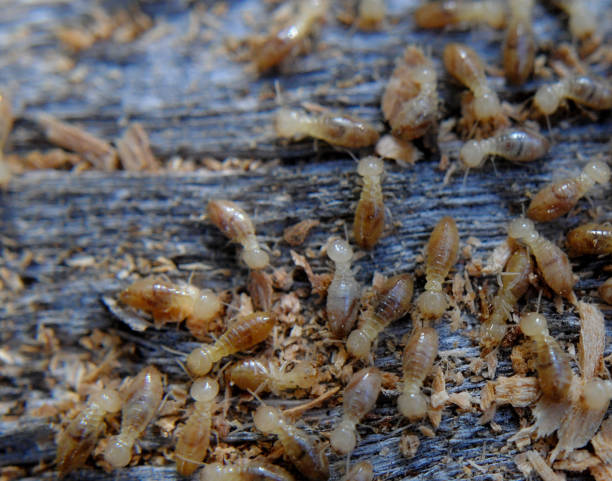
Australia’s climate and geography are perfect for many termite species. These pests can seriously damage homes and buildings.
It’s important for homeowners to know about termites to protect their properties. Termites are very destructive, causing millions of dollars in damage every year.
Spotting early warning signs and acting fast is key. This guide will cover the different termite species in Australia, their habits, and how to prevent them.
The Termite Threat in Australia
For Australian homeowners, understanding the termite threat is key. Termites can cause a lot of damage to homes. They are well adapted to Australia’s climate, making them a big problem.
Many homes are affected by termites every year. This shows the scale of the problem across the country.
Why Australian Homes Are Vulnerable
Australian homes are at risk of termite attacks. This is because of the materials and how they are built. Timber-framed homes and wooden decking are perfect for termites.
Companies like Critter Control, Melbourne’s Leading Experienced Pest Control Specialists (https://www.crittercontrol.com.au/), stress the need to know these risks. They help prevent termite damage.
Modern building methods can help or make things worse. Even homes made of brick and concrete can be damaged by termites if not protected.
The Financial Impact of Termite Damage
Termite damage can hit homeowners hard financially. Repairing the damage can cost a lot. Most home insurance doesn’t cover termite damage.
It’s cheaper to catch and stop termites early. Waiting until damage is done is more expensive.
The national economic impact of termite damage is huge. It shows how big the problem is for all homeowners.
Understanding the Termites of Australia
To manage termite infestations in Australia, knowing their biology and behaviour is key. Termites are social creatures living in complex colonies. Each caste has a vital role in the colony’s survival.
Termite Biology and Lifecycle
Termite colonies have a caste system with workers, soldiers, and reproductives. The queen is central, laying eggs for colony growth. Australian termites, like subterranean and drywood, have different lifecycles. Knowing these differences helps in controlling them.
The lifecycle of termites includes the development of alates (flying termites). These swarm to start new colonies. The lifecycle differences among species affect detection and treatment.
Termite Behaviour and Feeding Habits
Termites find and eat wood through complex foraging and mud tubes. Each species has its own feeding habits, causing different types of damage. They can hide and cause significant damage, making early detection hard.
Seasonal Termite Activity in Australia
Termite activity changes with the seasons in Australia’s different climate zones. Swarming times vary by region, and rain affects their behaviour. Homeowners need to watch out during certain seasons.
Seasonal changes impact termite feeding and breeding. Climate change may alter these patterns. It’s important for homeowners to know the best times for inspections and treatments.
Major Termite Species in Australia
Knowing about the different termite species in Australia is key to managing pests. Australia has many termite types, each with its own biology and habits. These termites pose different threats to buildings and the environment.
Subterranean Termites
Subterranean termites are the most harmful and common in Australia. They need soil contact and build extensive underground tunnels. This lets them travel far to find food.
They make mud tubes to hide from predators and move between soil and wood. In Australia, Coptotermes acinaciformis and Coptotermes frenchi are major species. They live in many habitats across the country.
Drywood Termites
Drywood termites live in wood without needing soil. This makes them hard to spot until the damage is big. They get into homes through infested furniture or timber.
These termites grow slowly but can spread widely in a building. Look for small piles of faecal pellets to spot them. Special treatments are needed to control them.
Dampwood Termites
Dampwood termites target moist wood, showing building moisture issues. They are bigger than other termites and like damp or rotting wood. Fixing moisture problems is key to managing them.
Though less dangerous to solid buildings, dampwood termites can cause a lot of harm. Their presence often means fungal decay, leading to structural damage.
Most Destructive Australian Termite Species
Australia has many termite species that damage buildings and infrastructure. Two of the most harmful are Coptotermes acinaciformis, or the Giant Northern Termite, and Mastotermes darwiniensis, known as the Darwin Termite.
Coptotermes acinaciformis (Giant Northern Termite)
Coptotermes acinaciformis is very damaging to Australia’s economy. It eats aggressively and forms huge colonies. Found all over Australia, it loves the northern and eastern parts. Its soldiers can squirt out a white, sticky stuff when scared.
They are hard to spot early, and they damage buildings fast.
Mastotermes darwiniensis (Darwin Termite)
Mastotermes darwiniensis is one of the world’s most destructive termites. It’s the oldest living termite and is huge. It eats wood, leather, cloth, rubber, and some plastics. It’s mainly in northern Australia, but climate change might spread it further.
Its big colonies and fast growth make it hard to control. Special treatments are needed to manage it.
Identifying Signs of Termite Infestation
Termites can quietly damage homes, making early detection key for Australians. Spotting termite signs early helps reduce damage and treatment costs. It’s important to know both obvious and subtle signs of termites.
Visual Indicators
Signs of termites include mud tubes on walls, damaged timber, and uneven paint. Look for discarded wings after swarms, too. Check areas like crawl spaces and attics, and where wood meets soil.
Use a screwdriver to check the wood for damage. Also, check fences and garden beds as they can bethe first signs of termites. It’s vital to tell the termite damage from other wood issues like rot or carpenter ants.
Auditory and Structural Signs
Termites can be heard making sounds in walls when disturbed. Tapping on wood might also reveal hollow sounds or get termites to react. Doors and windows that are hard to open or have unexplained cracks are signs too.
Floors that feel springy or sagging are also signs. A musty smell can mean a big termite problem. These signs help homeowners understand how serious the issue is.
Australian Regions Most Affected by Termites
Australia’s climate varies greatly, leading to different termite levels across the country. The northern and subtropical areas are hit hard. Their climate is perfect for termites to breed and grow.
Northern Australia’s Termite Challenges
In northern Australia, including Queensland, the Northern Territory, and northern Western Australia, termites are a big problem. The warm and humid weather is great for termites. This means species like Mastotermes darwiniensis can cause a lot of damage. Homeowners need to check their homes often and take steps to stop termites.
Melbourne and Victoria’s Termite Problems
Melbourne and Victoria have their own termite issues, even though it’s cooler there. Termites like Coptotermes acinaciformis are common, and the weather can make them more active. People in Melbourne and Victoria should watch out, paying extra attention to older homes and green areas. Following local building rules and termite control methods can help keep homes safe.
Effective Termite Prevention Strategies
Keeping your home safe from termites is key in Australia. It needs a mix of strategies to work well. This can greatly lower the chance of termites and the harm they cause.
Physical Barriers and Building Design
Using physical barriers and smart building design helps stop termites. There are many types, like stainless steel mesh and treated zones. These can be added when a house is built or to older homes.
It’s also important to manage moisture and air well. Simple steps, like keeping wood away from soil, can help. For more tips, check out Critter Control’s website. They’re experts in keeping homes safe from termites.
Chemical Soil Treatments
Chemical treatments can also protect your home from termites. The choice between repellent and non-repellent termiticides depends on how they work. It also depends on the type of termite they target.
New termiticides are better and safer for the environment. It’s best to have a pro, like those at Critter Control, do the treatment. They know the right way to apply it safely.
Regular Professional Inspections
Getting regular termite checks is vital. The timing depends on where you live, your home, and if termites have been a problem before.
Good inspections use tools like thermal imaging. Experts like Critter Control can spot problems early. Keeping records of these checks is also important for your home’s value and insurance.
Termite Treatment Options
In Australia, understanding termite treatment options is key. When termites are found in homes, the treatment must match the termite type, infestation size, and building type. Environmental factors also play a role.
DIY vs Professional Termite Control
DIY termite control might seem like a good idea, but it’s often not enough. It can give homeowners a false sense of security. Professionals, like Critter Control, have the right products and skills to treat termites safely and effectively.
DIY methods can be helpful as extra steps, but they can’t replace professional treatment. They might even be harmful to health and the environment.
Baiting Systems and Chemical Treatments
Modern termite control uses baiting systems and chemical treatments. Baiting systems use baits that termites carry back to their nests. Chemical treatments create barriers or directly target infested areas.
Experts decide where to place baiting stations and check them often. They use different methods to treat buildings, like trenching and injection systems.
Thermal and Freezing Methods
There are special treatments for drywood termites or small problems. Heat treatments kill termites by heating the wood. Freezing treatments use liquid nitrogen for spot treatments.
These methods are good for certain situations but need professional help. Companies like Critter Control have the right tools and knowledge to use these methods safely.
Conclusion: Protecting Your Home from Australia’s Termites
Australia has many termite species that can harm homes and buildings. If not stopped, they can cause big financial losses. To manage termites well, you need to be proactive and know how to prevent them.
Preventing termites is key to avoiding damage. Spotting termite signs early and acting fast can save you money. Getting regular checks from experts is also important to catch infestations early.
Working with pest control experts like Critter Control is a smart move. They know how to handle termite problems in Australia. Their skills help protect your biggest investment.
Being proactive about termite control and getting help when needed is important. This way, you can keep your property safe from termites. For top-notch termite prevention and treatment, contact Critter Control at https://www.crittercontrol.com.au/.

